
Shockwave Therapy, Or Extracorporeal Shockwave Therapy (ESWT)
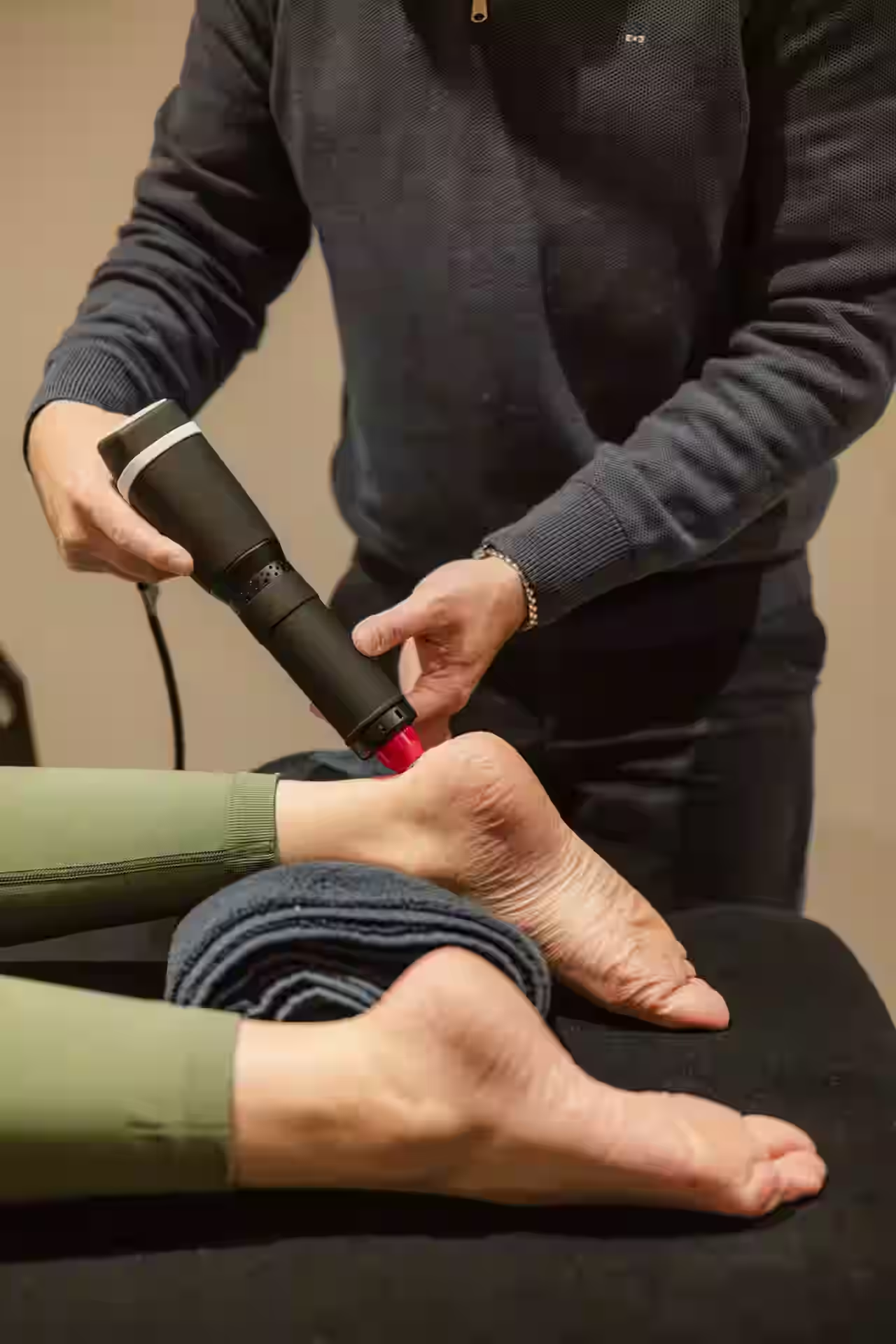

Conditions Treated With Shockwave Therapy
Clinically proven and recommended by NICE (National Institute for Health and Care Excellence), Shockwave Therapy supports the healing of persistent or degenerative soft tissue conditions being particularly effective for:
- Achilles Tendinopathy
- Plantar Fasciitis / Heel Pain
- Patellar (Knee) Tendinopathy (Jumper’s Knee)
- Tennis Elbow / Golfer’s Elbow
- Rotator Cuff Tendinopathy
- Lateral Hip Tendinopathies
- Calcific Tendonitis
- Chronic Muscle or Fascia Injuries
Shockwave Therapy FAQ
What is Shockwave Therapy?
Shockwave Therapy, or ESWT, works by sending focused sound waves into the affected area, triggering the body’s natural healing response to reduce pain, restore movement, and speed up recovery.
What conditions can it treat?
It can be effective for a range of persistent or degenerative conditions, including but not limited to:
- Plantar Fasciitis
- Achilles tendinopathy
- Patellar tendinopathy
- Tennis or Golfer’s Elbow
- Rotator Cuff Issues
- Lateral Hip Pain
- Calcific Tendonitis
Is Shockwave Therapy safe?
Yes, absolutely. Shockwave Therapy is a safe, non-invasive treatment supported by clinical evidence. Our highly trained clinicians make sure each session is delivered safely and suited to your individual needs.
How does it feel?
You may feel some mild discomfort during treatment, which is generally well tolerated. The area may be a little tender afterward — both are normal and temporary.
How many sessions will I need?
Typically, weekly sessions — around 3 to 5 in total — are recommended for most injuries. However, the exact number will depend on your condition and how your body responds to treatment. Your clinician will create a personalised plan and monitor your progress to ensure the best possible results.
Is it covered by insurance?
Yes! Shockwave Therapy is covered by all major private medical insurers. We also provide self-funding package options (see here-prices/packages)
What are the benefits?
It can reduce pain, improve movement, and support faster recovery — helping you return to sport, work, or everyday activities with confidence.
It can help reduce pain, restore movement, and support faster recovery — allowing you to return to sport, work, and everyday activities with greater confidence and ease. By promoting the body’s natural healing response, treatment encourages long-term recovery, improves overall function, and helps you stay active and independent.